
Transforming India's Largest Placement Drive
Overview
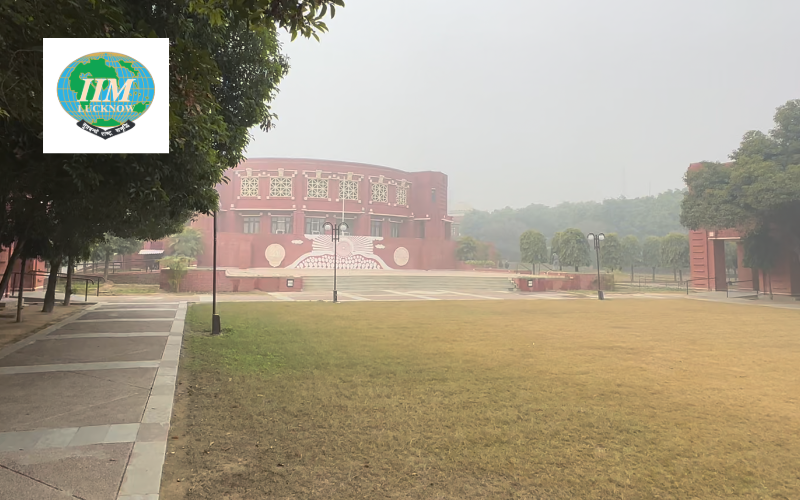
IIM Lucknow faced a challenge in creating efficient timetables after the finalization of course registrations. With students enrolling in multiple overlapping courses and limited faculty availability, managing clashes became increasingly difficult. The existing manual scheduling process led to inefficiencies, including scheduling conflicts between popular courses and dissatisfaction among students.
To solve these issues, the IIM Lucknow implemented an automated scheduling system that leveraged final course registration data and utilized advanced optimization techniques builtin the Registro Timetable Scheduling platform. Registro empowered administrators and students to view potential clashes, minimized conflicts by shuffling students between course sections, and optimized scheduling to reduce clashes overall.
This case study describes the problem, solution approach, implementation process, and the outcomes achieved with the new automated timetable scheduling system.
The Problem
As the student body grew and course offerings expanded, the school encountered several scheduling challenges:
- Course Enrollment Conflicts:
With multiple courses being offered, students often registered for overlapping classes, leading to clashes. - Lack of Visibility on Clashes:
Administrators and students had limited tools to identify conflicts early, and addressing these conflicts manually became cumbersome. - Section Management Difficulties:
Some courses were offered across multiple sections. However, students were not easily shuffled between sections to reduce conflicts, leading to overbooking in certain sections and under-utilization in others. - Inefficient Timetable Allocation:
The manual scheduling process struggled to account for all constraints—such as minimizing student clashes while balancing classroom utilization and faculty preferences—leading to frustration among students and faculty.
Objectives
The primary goals of the new system were:
- Clash Visibility: Empower students and administrators to view potential clashes in advance.
- Conflict Reduction: Minimize student course clashes by shuffling students between sections.
- Advanced Optimization: Use optimization techniques to balance constraints such as faculty schedules, classroom availability, and course enrollments.
- Improved Student Experience: Ensure students could enroll in desired courses with minimal disruptions to their schedules.
Solution: Automated Timetable Scheduling System
The business school implemented an automated timetable scheduling solution that utilized final course registration data and integrated advanced optimization methods to reduce overall clashes. The system had the following key components:
1. Integration with Final Registration Data
The system was integrated with the school’s course registration platform to import real-time student enrollment data. This provided administrators with an accurate view of which students were enrolled in which courses, enabling dynamic conflict detection.
2. Clash Detection and Viewing
Students and administrators could view potential clashes using a visual dashboard.
- Color-coded conflict indicators highlighted overlapping courses.
- The dashboard allowed students to review their schedules and request changes.
- Administrators could see clash patterns across the entire student body, helping them make informed decisions.
3. Shuffling Students Between Sections
The system automatically analyzed enrollments for courses with multiple sections and suggested shuffling students to reduce conflicts.
- Example: If a student registered for two clashing courses but one course had multiple sections, the system could automatically reassign the student to a different section to avoid the conflict.
- The reassignments considered classroom capacities and faculty preferences to ensure smooth operations.
4. Advanced Optimization Engine
The system utilized constraint-based optimization algorithms to generate the best possible timetable, balancing several factors:
- Minimizing Student Clashes: The primary objective was to minimize overlaps between students' registered courses.
- Optimal Use of Classrooms: Assigning courses to rooms based on size and availability.
- Faculty Preferences: Respecting instructors’ preferred teaching schedules.
- Balancing Course Loads Across Time Slots: Avoiding congestion by evenly distributing courses across the day.
The optimization engine used techniques such as integer programming and greedy algorithms to explore multiple scheduling scenarios and suggest the most efficient timetable.
Implementation Process
Phase 1: Data Collection and System Setup
- The team integrated the new scheduling software with the school’s student registration platform.
- Administrators imported final course registration data to create a baseline schedule.
Phase 2: Testing and Clash Detection
- Test schedules were generated to identify common clashes, and the results were reviewed by faculty and administrators.
- The system’s shuffling mechanism was validated to ensure students were reassigned without causing overloading issues in any section.
Phase 3: Training and User Adoption
- Administrators were trained on how to use the dashboard to identify and resolve clashes.
- Students were given access to the system’s visual interface to view their schedules and identify any conflicts.
Phase 4: Rollout and Fine-tuning
- The new scheduling system was launched at the start of the academic term.
- As students finalized their registrations, the system automatically adjusted the timetable to accommodate changes, with minimal disruptions.
Results
The automated scheduling system brought several tangible benefits:
1. Significant Reduction in Student Clashes
- Over 90% of clashes were resolved automatically through the shuffling of students between course sections.
- The number of students reporting conflicts decreased by 60%, improving the overall student experience.
2. Improved Scheduling Efficiency
- The time required to finalize the timetable was reduced by 50%, as the system handled most of the conflict resolution and section assignments.
3. Better Use of Classrooms and Resources
- Courses were assigned to classrooms more efficiently, with classroom utilization improving by 20%.
4. Higher Faculty and Student Satisfaction
- Faculty schedules were respected, with most instructors receiving their preferred time slots.
- Students appreciated the transparency of the new system, which allowed them to view and resolve clashes proactively.
5. Flexibility for Late Changes
- The system’s dynamic adjustment capability enabled smooth handling of last-minute changes in course enrollments, with minimal disruptions to the overall timetable.


Explore More Case Studies

Indian School of Business
Overview
ISB Hyderabad digitally transformed its hybrid placement process, efficiently managing 900+ students and 400+ interview coordinators across six institutions. EDTEX-Skynet delivered automation for India's largest recruitment drive, enhancing speed, reliability, and satisfaction.
The Challenge
ISB faced high logistical complexity managing hybrid and virtual placements for hundreds of candidates. Manual scheduling, communication bottlenecks, and lack of centralized control slowed down the process, risking delays and errors.
Pain Points
- Communication breakdowns between palcecoms, students, & recruiters
- Manual scheduling causing delays, errors, and overlapping interview times
- Limited visibility into process status and real-time candidate progress
- Challenges onboarding external coordinators and institutions quickly
The Solution
EDTEX-Skynet automated the placement workflow, from interview scheduling and coordinator management to digital candidate tracking. The platform enabled onboarding and training of 400 external coordinators in under six months, displayed real-time status dashboards, and delivered 24/7 support to ensure smooth operations.
Business Outcomes
- 100% virtual/hybrid placement process for 900+ students400+ interview coordinators onboarded and trained in six months
- Automated scheduling and reporting—no process delays
- Real-time dashboards for students, recruiters, and placement teams
- Scalable for future institutional growth

XLRI Jamshedpur
XLRI Recommends EDTEX Skynet for Successful Placement Automation
We are pleased to recommend "Skynet"—Placement Automation Software developed by WINSPIRE, also known by the brand name "EDTEX". Since its implementation at XLRI in October 2018, Skynet has significantly enhanced our placement processes, demonstrating exceptional performance and reliability.
Successful Automation of Day Placement Process
Team EDTEX successfully automated the Day Placement Process at XLRI, which includes efficient scheduling and real-time student tracking. This automation has streamlined our placement activities, making the process more organized and manageable for all involved parties.
Innovative Virtual Placement Solutions During the Pandemic
During the challenging times of the pandemic, Team EDTEX displayed remarkable innovation by developing a Virtual Placements Automation Software. This solution provided dedicated interfaces for both students and companies, ensuring that the placement process could continue smoothly despite the constraints of physical distancing.
Using the Skynet Virtual Placement solution, XLRI conducted its Summer Internship Process (SIP) entirely virtually. The platform's robust features and seamless integration ensured that the virtual placements were conducted without any disruptions, maintaining the high standards of our placement activities.
Comprehensive Support and Satisfaction
We are extremely satisfied with the support provided by the EDTEX team during the placement process. Their commitment to ensuring the smooth operation of Skynet and addressing any issues promptly was crucial in enabling a successful placement season.
All stakeholders involved in the placements process, including students, the Placement Committee, Institute Administration, and participating companies, have expressed their satisfaction with Skynet. The platform has proven to be an invaluable asset in facilitating virtual placements, ensuring a seamless and efficient experience for everyone.
Conclusion
In conclusion, the implementation of Skynet at XLRI has been a tremendous success. The automation of our placement processes, coupled with the innovative virtual solutions provided during the pandemic, has significantly improved our ability to manage placements effectively.
We highly recommend EDTEX Skynet to other institutions seeking to enhance their placement processes through automation. The expertise and support provided by Team EDTEX have been instrumental in achieving our placement goals and ensuring a positive experience for all stakeholders involved.

OP Jindal Global University
OP JGU executes Real-Time Course Bidding Process by EDTEX for its Multi-Term, Multi-School, Multi-Programme Elective Course Bidding
OPJGU is one of the premier new generation Private University that digitized the Course Bidding process using time-based course selection window for more than 5000 students in a single registration window with the Registro platform in 2020.
This innovation has reduced manual effort by more than 97% for both the IT office allowed implementing:
1. Implementation of programmes specific credit policies
2. Supporting Multi Term Bidding involving multiple elective bidding rounds
3. and reduced the overall student queries by 99% during course registration process.
4. Students have complete visibility into the course allocation process
EDTEX team worked with the IT Office and programme Offices to help design and setup a process for the best practices of the elective course bidding process. EDTEX team handheld the support, customized the bidding system to hand and onboarding process to the course bidding system.
This innovation has reduced manual effort by more than 97% for both the Programme Offices and students and allowed implementing programme specific credit policies
The implementation of the Registro platform has markedly enhanced overall resource utilization at the institute, allowing for better planning to accommodate the increasing student intake. The course bidding process has consistently received high student satisfaction ratings of over 4.5 out of 5.0. To date, Registro has supported the first Multi Term Elective Bidding cycles, involving over 30,000students and 5,000 electives cumulatively since the first implementation in the year 2020.
Streamlined Elective Course Bidding Process
Coursebidding at OP Jindal Global University is a complex operation involving thousands of students from the 10+ School and 45+ Programmes. The Registro CourseBidding Software, developed by EDTEX, has been instrumental in handling the intricate scenarios associated with the multiple school course bidding process that involved seat sharing and concentration/ specialization implementation.
Since its implementation in 2020, students and administrators have reported a vastly improved bidding experience. The software efficiently manages a high volume of bids, ensuring a fair and smooth process that meets the diverse needs of the student body.
Comprehensive Support Systems from EDTEX
EDTEX provides dedicated support systems for the easy onboarding of students and MBA Programme Office staff:
- User Power-Guides: Available in both video and document formats.
- LIVE Workshops: Guidance for both the Programme Office and the students.
- Consultation: Assistance from the EDTEX team for Programme policy adaptation and best practices for elective course bidding registration.
- LIVE Chat Support: Available during the elective course bidding process.
- Data Preparation and Upload Support: Assistance during data preparation and upload stages.
Conclusion
The adoption of EDTEX Registro Course Bidding Software by OP Jindal Global University in 2020 marked a significant milestone in the institute's journey towards digital transformation. This innovation has streamlined the course bidding process, significantly reducing manual effort and improving the overall experience for both students and administrators.




.png)
.png)
.png)